Hi, this is Yuki Sodeoka of the NEWT AI Marketing team. This article looks at case studies of chatbots at hotels and ryokan.
Phone calls and emails reach the front desk and reservations team all day without a break. Many of them are questions the website already answers, such as where to park. Have you ever had to stop what you were doing because the phone rang while you were looking after a guest? This article introduces three properties and operating companies that faced exactly that, and shows how things changed after they adopted a chatbot.
The key points are:
- In all three cases, the chatbot handles questions that the website's information can answer
- The time freed up goes to conversations that people should take, such as anniversary and allergy consultations
- The questions that arrive are analysed and used to review the website and guest information
- For the path from preparation to post-launch improvement, see How Hotels and Ryokan Can Introduce a Chatbot: From Preparation to Post-Launch Improvement
At hotels and ryokan that have introduced a chatbot, the chatbot now takes the questions the website can answer, and they report the following effects:
- Fewer inbound phone calls
- Less effort spent registering FAQs, and a more consistent way of wording answers
- The same quality of answer for every guest
They also use the questions that come in to review their own websites and services.

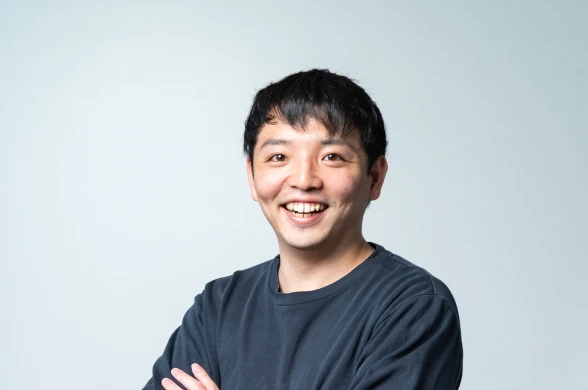
Hiroki UkedaExecutive Officer, CBO, Reiwa Travel
Joined Loco Partners in 2018, leading the launch of its vacation-rental (minpaku) business—listing 600 properties a year and winning the company's annual MVP award. He went on to lead a 7-person new-business sales team in eastern Japan and managed major foreign-owned hotel chains in the Tokyo metropolitan area. In April 2020 he co-founded TASTE LOCAL and drove its growth, and joined Reiwa Travel as an Executive Officer in 2021.
Ready to try NEWT Chat for yourself?
The free trial needs no credit card. See adoption results and pricing details in the guide.
The situation around inquiry handling at hotels and ryokan
According to the Japan Tourism Agency's Overnight Travel Statistics Survey (2025, annual final figures), the total number of nights stayed by foreign guests in 2025 was as follows.
- 2025: 179.92 million guest nights
- Versus the previous year: up 9.4%
- Versus 2019: up 55.6%
As more foreign guests stay, there are more occasions to answer inquiries that arrive in other languages. At a small hotel or ryokan, serving the guest in front of you comes first, so replies to emails and forms tend to slip to the evening or the next day.
There are broadly two kinds of chatbot.
- FAQ-registration type: people register the expected questions and answers in advance.
- Site-reading type: AI reads the information published on your own website and creates the answers.

Case 1: A long-established ryokan that cut about 400 calls a month
Taberu Oyado Hamanoyu is a long-established ryokan in Inatori Onsen, Izu, Shizuoka. It keeps to dedicated staff for each guest and in-room dining, and its reservations team phones every guest a week before their stay to confirm details.
Before
- The reservations team (four staff, three on duty at any time) handles outside calls.
- About 2,000 calls a month were concentrated on the reservations team, and even questions the website could answer were answered by phone one call at a time.
Hamanoyu introduced NEWT Chat, which starts with the AI having read all the information on the website. The management screen lists "questions that could not be answered in the past", and answers can be added for further learning, so they built a chatbot that gets smarter the more it is used.
After
- Inbound calls fell from about 2,000 a month to about 1,600, roughly 400 fewer a month, which saves about 17 hours of handling time a month.
- The time freed up goes to conversations that people should take, such as consultations about anniversary surprises and allergy checks.
- From the content of the inquiries, they saw again that many guests visit on special days such as anniversaries and proposals, and hired a pastry chef.

Tatsuya Suzuki, Executive Director, describes the change on the floor like this:
Calls down 20%, saving 17 hours a month at a long-established ryokanTaberu Oyado Hamanoyu, a ryokan in Izu Inatori Onsen, was fielding around 2,000 calls a month. NEWT Chat cut roughly 400 of them, freeing staff for the hospitality only people can give./en/aichat/case/hamanoyuThe content has changed too. Questions a generic FAQ could answer have fallen away, and what's left has shifted more and more toward detailed matters only our staff can address. Guests check what they need on chat and then bring the deeper questions to us by phone.
— Tatsuya Suzuki, Executive Director, Taberu Oyado Hamanoyu (from the case study)
Case 2: A hotel group that moved away from registering FAQs
JHAT Co., Ltd., which runs hotels including "hotel MONday", has properties where about 90% of guests are inbound travellers. It had been using another chatbot for some time to lighten the phone load at the front desk.
Challenges before
- The system assumed FAQs were registered in advance, so every time the website was updated, the chatbot had to be corrected by hand as well.
- Because each property was left to register its own FAQs, the length and wording of answers varied by property and by person.
- Guests had to switch languages themselves, so users skewed toward Japanese guests.
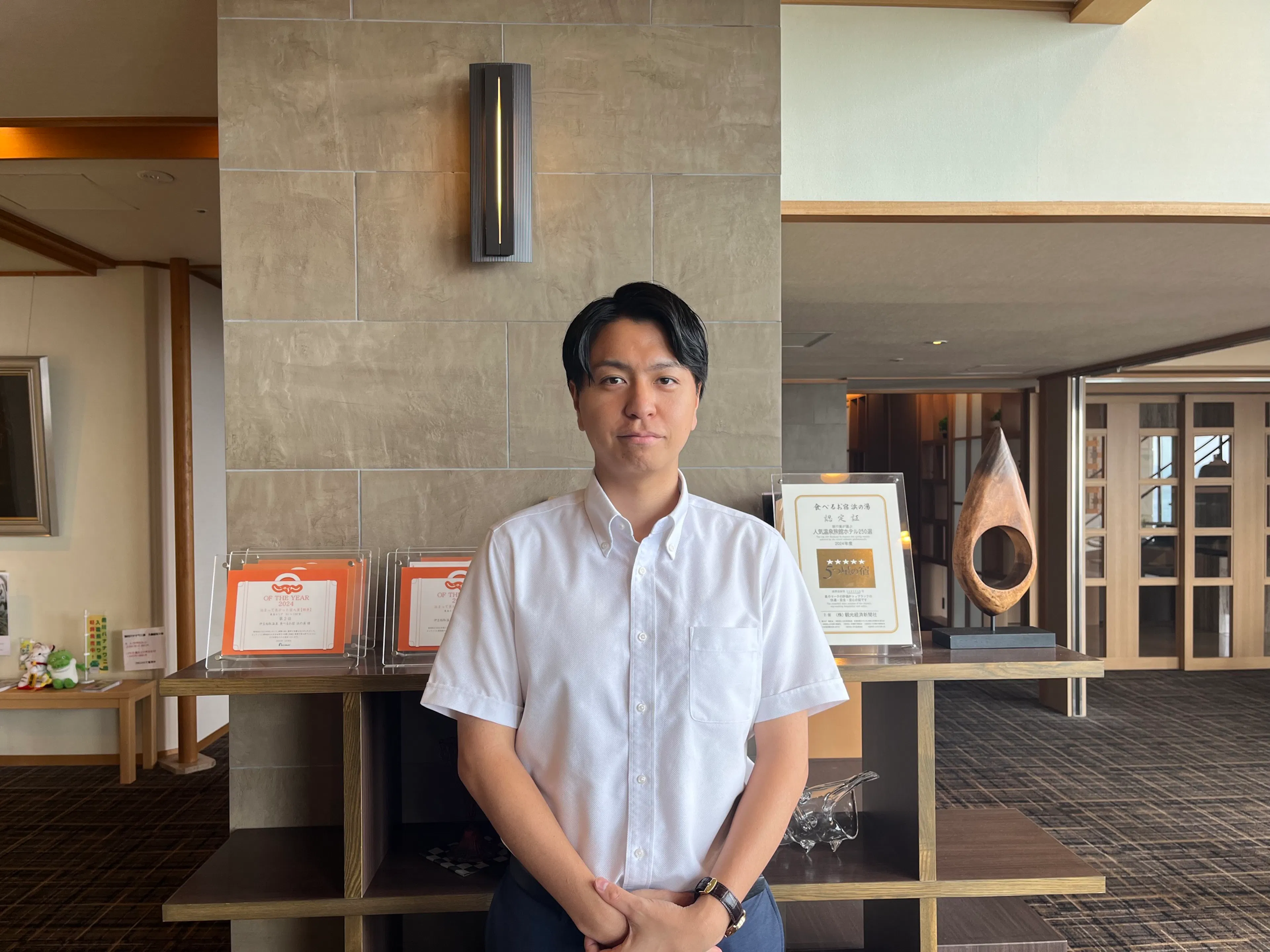
Tomotaka Isono of the Corporate Planning Division describes the situation at the time like this:
That said, while the properties no longer had to handle things by phone, there was still the preparation behind each answer. You have to register the FAQs in the back end, which meant we had to keep registering them ourselves across a wide range of topics, and whenever the content of the website changed we had to keep updating it too. A separate workload was being created, and that was the big issue.
— Tomotaka Isono, Corporate Planning Division, JHAT Co., Ltd. (hotel MONday) (from the case study)
They compared the options on four points: load on the site, language support, how little maintenance it needs, and price, and decided to switch to NEWT Chat. The move needed only a tag swap, and preparation was little more than checking answers on a test screen.
After
- Maintenance on the property side became almost unnecessary, and the tone of answers became fairly consistent.
- The chat has become an easy way for overseas guests to ask questions, and they feel inquiries are increasing.
- They are considering improvements to the website based on the reports they receive regularly.
Case 3: A capsule hotel that gives the same quality of answer with a small team
nine hours Co., Ltd. runs the wellness capsule hotel "nine hours" at 14 or more locations across Japan. Its policy is to reduce person-dependent, case-by-case handling and deliver the same quality of service to every guest.
Challenges before
- Each property is run by a small team, and apart from chat there were more than 1,000 inquiries a month across all properties.
- Contact was mainly by email to each property. Staff were busy with work in the building during the day, so night-shift staff worked through the unanswered emails in batches.
- The FAQ that had to be prepared in advance was not sufficiently developed either.
The company valued how easy the management screen is to use and that installing it on the site only takes embedding a piece of code, and decided to adopt NEWT Chat.
After
- About 60% of users are Japanese and about 40% are foreign, and overseas guests can now ask questions on screen in their own language.
- NEWT's analysis showed many questions about check-in and check-out times, whether the airport priority pass can be used, and shower-only use, which helps the company improve the guidance on its official site.
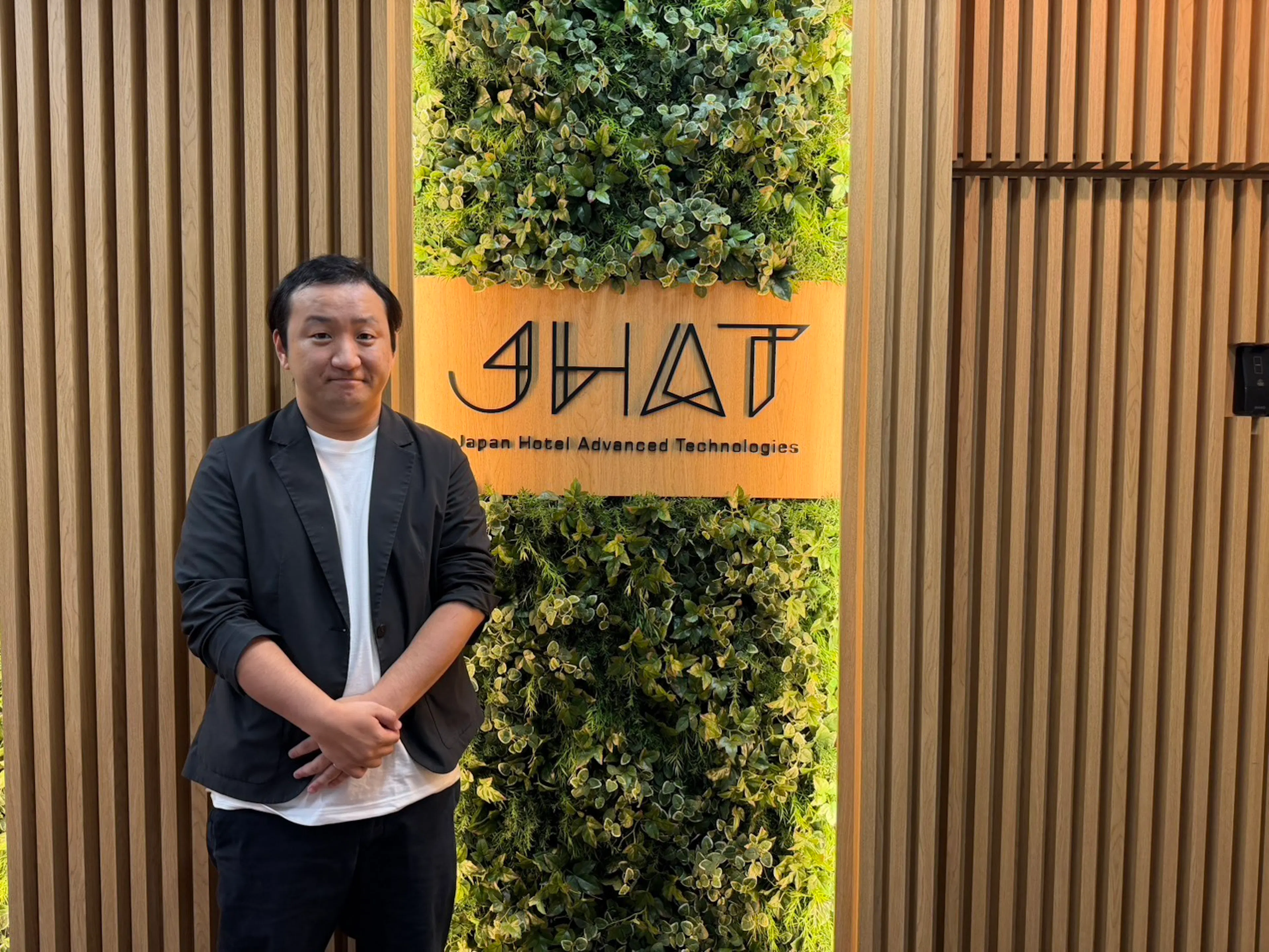
Hidetaka Yonemoto, Senior Manager of the Hotel Division, describes how operation feels in practice:
Consistent service quality for every guest: how nine hours is approaching inquiry handling with AI chatnine hours Co., Ltd. runs the wellness capsule hotel “nine hours” at 14-plus locations nationwide. With each property run by a small team, replying to emails promptly had become a challenge. We asked how, after adopting NEWT Chat, guest questions that had gone unseen before — like whether a shower-only visit is possible — became visible in the data./en/aichat/case/nine-hoursWith email, the response inevitably varies depending on who replies. We have a policy of not varying the service by guest, but this is a place people are staying, so it's natural for them to feel some anxiety, and there are always moments where we genuinely need to answer properly. Being able to hand that off to AI and get a consistently stable quality is a huge appeal to us.
— Hidetaka Yonemoto, Senior Manager, Hotel Division, nine hours Co., Ltd. (from the case study)

Ready to try NEWT Chat for yourself?
The free trial needs no credit card. See adoption results and pricing details in the guide.
Comparing the three cases, and how to pick the one closest to your property
Putting the three cases side by side in a table makes it easier to find the one closest to your property.
| Item | Taberu Oyado Hamanoyu | JHAT Co., Ltd. (hotel MONday) | nine hours Co., Ltd. |
|---|---|---|---|
| Challenge before | About 2,000 calls a month | The effort of registering and updating FAQs, and answers that varied by property | Hard to answer emails right away |
| Preparation for adoption | Started with the website's information already read | Swapping an embed tag, checking answers on a test screen | Embedding on the site only |
| Change after | Calls down by about 400 a month, saving about 17 hours a month | Property-side maintenance almost unnecessary, consistent tone of answers | Same quality of answer for every guest, latent questions made visible |
We suggest choosing the case closest to your property like this.
- For a ryokan whose calls are concentrated on the reservations team, the Hamanoyu case is the closest.
- For a property already using an FAQ-registration system and struggling with registering and updating FAQs, or an operating company with several properties, the JHAT case is the closest.
- For a property run by a small team per site where email replies tend to be late, the nine hours case is the closest.
- For a property with many inbound guests, the JHAT and nine hours cases are the closest.
Three shared points in how they introduced it
The three cases share three points in how they introduced the chatbot.
- Use the website's information as the base for answers: with FAQ registration, you have to update every time information about the property changes. As at Hamanoyu and JHAT, a system where AI reads the website needs little preparation.
- Keep the consultations that people take: there is no need to hand every inquiry to a machine. Hamanoyu puts the time freed up from calls into surprise consultations and allergy checks.
- Use the questions that arrive to review your guidance: nine hours noticed that its official site lacked guidance when it saw how many questions were about showers. JHAT is also considering improvements to its website based on its reports.


Summary: what chatbot case studies show
In the three cases, the chatbot took the questions the website can answer, and the properties reduced phone calls, FAQ upkeep, and variation between answers. They put the time freed up into consultations that people take, and use the questions that arrive as clues for reviewing their guidance. We suggest starting with the case closest to your own property.
If you want to automate inquiry handling at your hotel or ryokan, consider NEWT Chat
The main features of NEWT Chat:
- Built for hospitality: an AI chat specialized for hotels, ryokan, tourist facilities and activities, DMOs and tourism associations, and restaurants. It comes pre-trained on industry knowledge and was developed by NEWT, which knows the industry well.
- Setup in as little as two minutes: all you need is the URL of the official website where you want the chat. The AI reads and learns from the site automatically, and installing it takes copying and pasting a snippet of code.
- Document import and Q&A creation: on the Casual plan and above, you can upload facility guides and price lists as PDFs or images for the AI to learn, so you do not have to register Q&As one by one. Registering and auto-generating Q&As is also supported.
- 40+ languages: when an overseas guest asks a question, the AI detects the language and replies in the same one. All-language support on the Hobby and Casual plans is available for a limited time.
- LINE integration: LINE integration is available on the Casual plan and above.
- Logs and conversation analysis: questions the AI could not answer stay in the log, so you can review them and add to the AI's knowledge. Conversation analysis shows which inquiries come up most often.
Pricing is a monthly fee based on the number of messages the AI generates. Plans scale with usage.
| Plan | Monthly fee | Messages per month | Notes |
|---|---|---|---|
| Hobby | Free | 200 | 1,000 in total |
| Casual | ¥5,800 | 500 | 5,000 in total |
| Premium | ¥17,800 | 3,000 | — |
| Suite | ¥34,800 | 10,000 | — |
| Suite+ | On inquiry | On inquiry | — |
Monthly fees exclude tax and are as of October 2026.
A support package that covers tag installation through initial setup is also available (¥300,000 lump sum, tax included, as of October 2026), which keeps the workload of getting started low.
If you are not sure which plan suits you, please feel free to consult us any time on the contact page.


