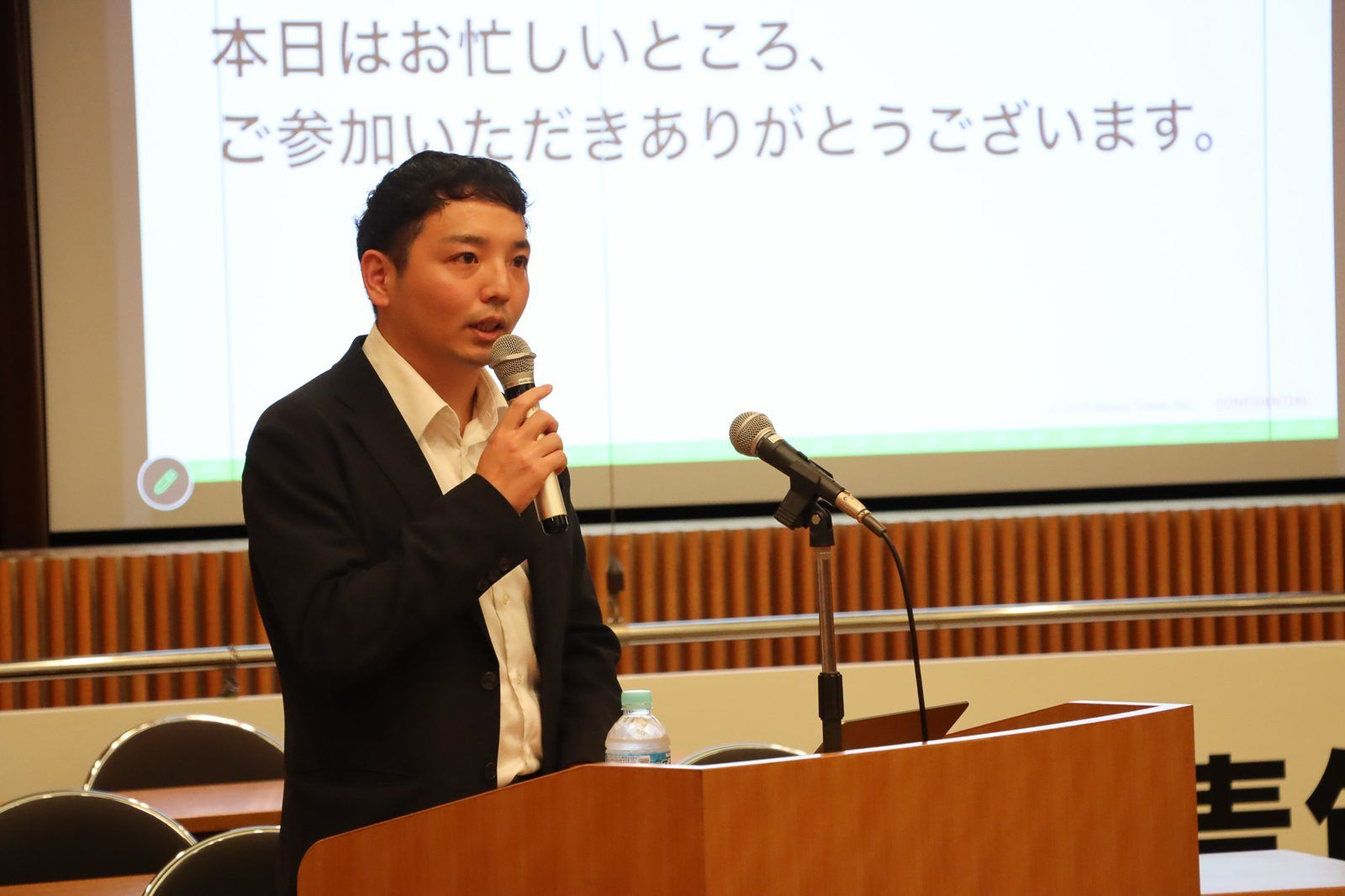
Hi, this is Yuki Sodeoka of the NEWT AI Marketing team. This article looks at what a hotel or ryokan should expect to pay when it adds a chatbot.
Check-in, dinner service, and a front-desk phone that keeps ringing tend to land in the same hour. The same questions pile up, such as how to reach the car park or whether luggage can be left before check-in, and each answer pulls someone away from the guest standing at the desk. Does that sound familiar?
As of October 2026, we reviewed nine chatbot services that publish prices on their official websites. The cheapest paid plan that includes a chatbot costs ¥1,500 to ¥80,000 a month. Seven of the nine cost less than ¥20,000 a month, and the median is around ¥12,000. The monthly fee is only part of the bill, though. Setup, FAQ preparation, and day-to-day upkeep also change the total, so it pays to estimate the workload after launch as well.
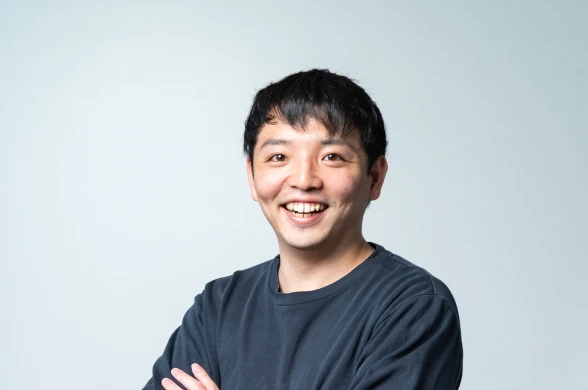
Hiroki UkedaExecutive Officer, CBO, Reiwa Travel
Joined Loco Partners in 2018, leading the launch of its vacation-rental (minpaku) business—listing 600 properties a year and winning the company's annual MVP award. He went on to lead a 7-person new-business sales team in eastern Japan and managed major foreign-owned hotel chains in the Tokyo metropolitan area. In April 2020 he co-founded TASTE LOCAL and drove its growth, and joined Reiwa Travel as an executive officer in 2021.
Considering NEWT Chat or NEWT Voice?
Talk to us before you decide, free of charge. Service guides are also available to download.
What Published Prices Say About Chatbot Costs
As of October 2026, we reviewed the price lists of nine chatbot services that publish prices on their official websites. We chose them from services introduced in comparison-site articles and similar sources. One of the nine is aimed at hotels and ryokan.
Monthly fees
| Item | Monthly fee on official sites | Number of services |
|---|---|---|
| Cheapest paid plan that includes a chatbot | ¥1,500–¥80,000 (median ¥11,980) | 9 |
| Of those, plans under ¥20,000 a month | ¥1,500–¥18,000 | 7 |
| Cheapest plan on which AI answers, for each service | ¥4,000–¥80,000 (median ¥20,000) | 9 |
*This survey covers only services that publish their prices, so it does not show the market as a whole. Prices are what each official website listed as of October 2026 and may change.
Plans where AI answers vary widely in price. At the low end, a few thousand yen a month buys a limited number of trained pages or monthly conversations. At the high end, plans start at ¥80,000 a month.
Some low-priced AI plans cap monthly conversations and switch to a different answering method once the cap is reached. Others have no cap on answers and set the monthly fee by the number of pages the AI learns. Five of the nine services price their higher plans, or larger deployments, by individual quote or inquiry.
Setup fees
Seven of the nine services state a setup fee for their cheapest paid plan, and all seven charge ¥0. Higher plans are different. Three services charge ¥50,000 to ¥100,000, and one of them charges ¥100,000 for a generative-AI plan that starts at ¥80,000 a month.
Official pricing by service (as of October 2026)
The table below lists the official prices behind the figures above, one service per row. Tax treatment and contract terms are not shown consistently across companies, so we added a "Conditions shown" column.
| Service | Cheapest paid plan with a chatbot (monthly) | Setup fee | Higher or AI plans, examples (monthly) | Conditions shown |
|---|---|---|---|---|
| ChatPlus | Minimum ¥1,500 | ¥0 | AI Lite ¥50,000; Auto AI from ¥80,000 | Excl. tax; monthly price on an annual contract (Minimum on a monthly contract: ¥1,980) |
| Helpdog | Entry ¥4,000 (generative AI up to 100 conversations a month) | ¥0 | Standard ¥39,800 (setup fee ¥100,000) | Excl. tax (Standard is a one-year contract) |
| DS Chatbot | Standard, 50 pages ¥5,500 | ¥0 | AI MODEL plan, 100 pages ¥22,000 | Incl. tax; six-month minimum term |
| Tebot | Scenario ¥9,800 | ¥0 | Q&A ¥45,000; Generative AI ¥80,000 | Annual contract price; tax not stated |
| Tayori | Professional ¥11,980 (AI chatbot included) | ¥0 | Enterprise ¥25,400 (setup fee ¥50,000) | Excl. tax |
| FirstContact | Premium from ¥15,000 | ¥0 | Generative AI from ¥80,000 (setup fee ¥100,000) | Unit price on a 12-month contract; tax not stated |
| RICOH Chatbot Service | AI Chatbot from ¥18,000 | Not stated | — | Excl. tax |
| OPTiM AIRES | Lite ¥80,000 | ¥0 | Custom from ¥95,000 | Excl. tax |
| talkappi CHATBOT | Base multilingual AI chatbot from ¥20,000 | Not stated | Feature options added monthly (for example, PMS integration ¥8,000) | Excl. tax; a guide figure from the company's own column, as of April 2026 |
| For reference: NEWT Chat (ours; specialized in hospitality) | Casual ¥5,800 (up to 500 messages a month and 5,000 in total) | ¥0 | Premium ¥17,800; Suite ¥34,800 (Suite+ on inquiry) | Excl. tax; a free Hobby plan (200 messages a month, 1,000 in total) is also available |
*Prices were checked on each company's official website on October 19, 2026, and are listed based on the information published there. Prices and plans may change. The last row is our own service. We include it for reference and have not counted it in the market figures.
*In the "plans where AI answers" row of the first table, ChatPlus, Tebot, and FirstContact are counted by the cheapest of their "higher or AI plans" examples. The other six services are counted by their cheapest paid plan. The "scenario-based and similar plans (three services)" figure in the FAQ refers to the cheapest paid plan of those three services.
How to Choose Without Overpaying
Three services quote the monthly price for an annual contract, and one has a six-month minimum term. Tax-inclusive, tax-exclusive, and unstated prices are all mixed together. When you compare services, check the assumptions behind each price list. Line up the tax treatment and the contract term, then confirm that your monthly inquiry volume stays within the conversation cap.
How Chatbot Pricing Works
Chatbot pricing varies with the delivery format and the scale of use. Most services combine a setup fee with a monthly fee. The setup fee covers building the environment, adjusting the design, and issuing admin-console accounts. If you ask the vendor to write FAQs or import data for you, the setup fee rises with the amount of work.
The monthly fee is usually a mix of the following:
- Flat fee: the same amount every month, regardless of usage
- Usage-based or tiered fee: the amount steps up with the number of conversations, messages, or sessions
- Number of sites or properties: price bands set by the number of domains or properties covered
- Number of languages: a surcharge for each language added beyond Japanese
- Integrations: connection fees for LINE or an external booking system

If you are weighing a chatbot as a substitute for phone calls, find out your monthly inquiry volume first. For a hotel or ryokan with a big gap between busy and quiet seasons, a tiered plan that charges for what you use can come out cheaper over a year.
Multilingual Support for Hotels and Tourism: If You Start With Four Languages, Where Do You Begin?With over 40 million inbound visitors a year, where should hotels and ryokan begin with multilingual support? Drawing on JNTO and tourism-agency data, we lay out the case (and the limits) for four languages, and how to choose tactics across three touchpoints—static signage, the front desk, and the web./en/aichat/column/multilingual-support-4-languages
Plans by Price Range and Property Size
Chatbot tools fall into three groups by expected usage and breadth of features: free plans, monthly plans for small operations, and individually quoted plans for large ones.
Free plans (¥0 a month)
Three of the nine services list a free plan in their price tables. Two of them let you use an AI chatbot on the free plan, but usage is limited, for example to 10 conversations a month or 100 questions a month. On the third, the free plan does not include the chatbot and is limited to things like building forms and FAQs. Six services also offer a free trial for a set period, and the three that state a length give 14 to 30 days. A property with few inquiries can start with a free plan or a trial before deciding.
Plans from ¥1,500 to under ¥20,000 a month (one to several properties)
Seven of the nine services place their cheapest paid chatbot plan in this range.
Monthly plans for small operations typically allow more registered questions and add inquiry history and a way to hand a conversation over to staff. Many set plan limits by the number of messages per month. This setup suits a hotel or ryokan running one to a few properties. It can cover the questions site visitors ask most often and handle first-line replies at night.
Individually quoted plans (chains and large operators)
Individually quoted services allow finer permission control for each property and deeper data integration with core booking systems. They tend to include hands-on support, with a dedicated contact who stays with you from requirements and scenario design through post-launch analysis. Operators choose them when they need careful translation management across languages or log analysis across a whole chain.
The size of your website audience and what you expect the chatbot to do will narrow down which group to consider.
Cost Differences Between AI and Scenario-Based Chatbots
A scenario-based chatbot walks visitors through a series of choices. An AI chatbot interprets the intent of a question and answers it. The difference affects costs both at launch and afterward.
A scenario-based chatbot guides visitors to an answer as they press buttons on screen. You have to build a branching diagram of expected questions and answers, so design takes time before launch, and setup and outsourcing costs tend to grow as the branches get more complex. After launch it follows fixed paths, so wrong guidance is less likely, but it cannot answer sentences visitors type in freely.
An AI chatbot reads the data and documents you provide and answers by understanding the meaning of the question. Because it accepts free text, it can cut the work of building detailed scenario branches. Some generative-AI types also read the public information on a website to build answers.

Do not compare on the monthly fee alone. Compare the initial branch design together with the effort of making changes later. Which type fits depends on how often the information you give guests changes.
Considering NEWT Chat or NEWT Voice?
Talk to us before you decide, free of charge. Service guides are also available to download.
Hidden Costs: Setup, FAQ Upkeep, and Operations
Even when the tool itself is cheap, staff time spent on operations can push the total up. The cost most often overlooked is this "hidden cost" of operating labor. To see the true total, convert the hours your on-site staff spend into money.
The burden of keeping content up to date
With traditional chatbots, there were many items to cover: shuttle-bus timetables, room amenities, nearby sights, and responses to food allergies. Before launch, someone had to write out many expected Q&As and register them in the admin console.
The work continues after launch. Seasonal meal plans change, and so do the cleaning hours of the public bath, so the information has to be kept current by hand. If updates slip, guests receive outdated information, which can cause confusion at the front desk.
In the Japan Tourism Agency's Survey on the Status of Securing and Developing Human Resources in the Lodging Industry (a web survey of lodging operators from February 5 to 24, 2025, with 363 responses), operators named "people who can use ICT tools and systems to improve operational efficiency" among the personnel they lack. The figure was 34.4% for ryokan, 38.3% for business hotels, and 39.4% for city hotels and resort hotels. The numbers suggest that even after a system goes in, many properties lack someone who can tend to it day by day. If you do not decide who handles daily updates, operations are likely to stall.

Case study: JHAT Co., Ltd.
JHAT Co., Ltd. runs hotels and apartment hotels across Japan under several brands, centered on hotel MONday. The workload of registering FAQs was a problem for the company. Most of its properties have 40 to 50 rooms, with one or two staff members at the front desk.
JHAT had adopted a different chatbot to cut phone calls, but it had to keep registering FAQs to prepare the answers. Every change to the website meant more updates, and the tone of the answers varied by property and by the person registering them.
You have to register the FAQs in the back end, which meant we had to keep registering them ourselves across a wide range of topics, and whenever the content of the website changed we had to keep updating it too. A separate workload was being created, and that was the big issue.
— Tomotaka Isono, Corporate Planning Division, JHAT Co., Ltd. (from the case study)
During a review of its whole system landscape, two points prompted a rethink: the chatbot was slowing down the site, and it took up a large share of total system spending.
JHAT moved to NEWT Chat, which reads the information on a site and answers with AI. Four factors decided it: site load, language support, almost no maintenance, and price. The switch was completed by swapping the embed tag, and the properties no longer needed to update FAQs as a rule.
How much manual work you can cut decides the real total you spend on a chatbot.
From endlessly updating FAQs to AI that reads your site and answers: why a hotel group switched chatbotsAt JHAT (hotel MONday), around 90% of guests in its apartment-type properties are inbound travellers. Its previous chatbot demanded constant FAQ registration and produced answers whose tone varied from property to property. We asked about the move to NEWT Chat and what changed afterwards./en/aichat/case/hotel-monday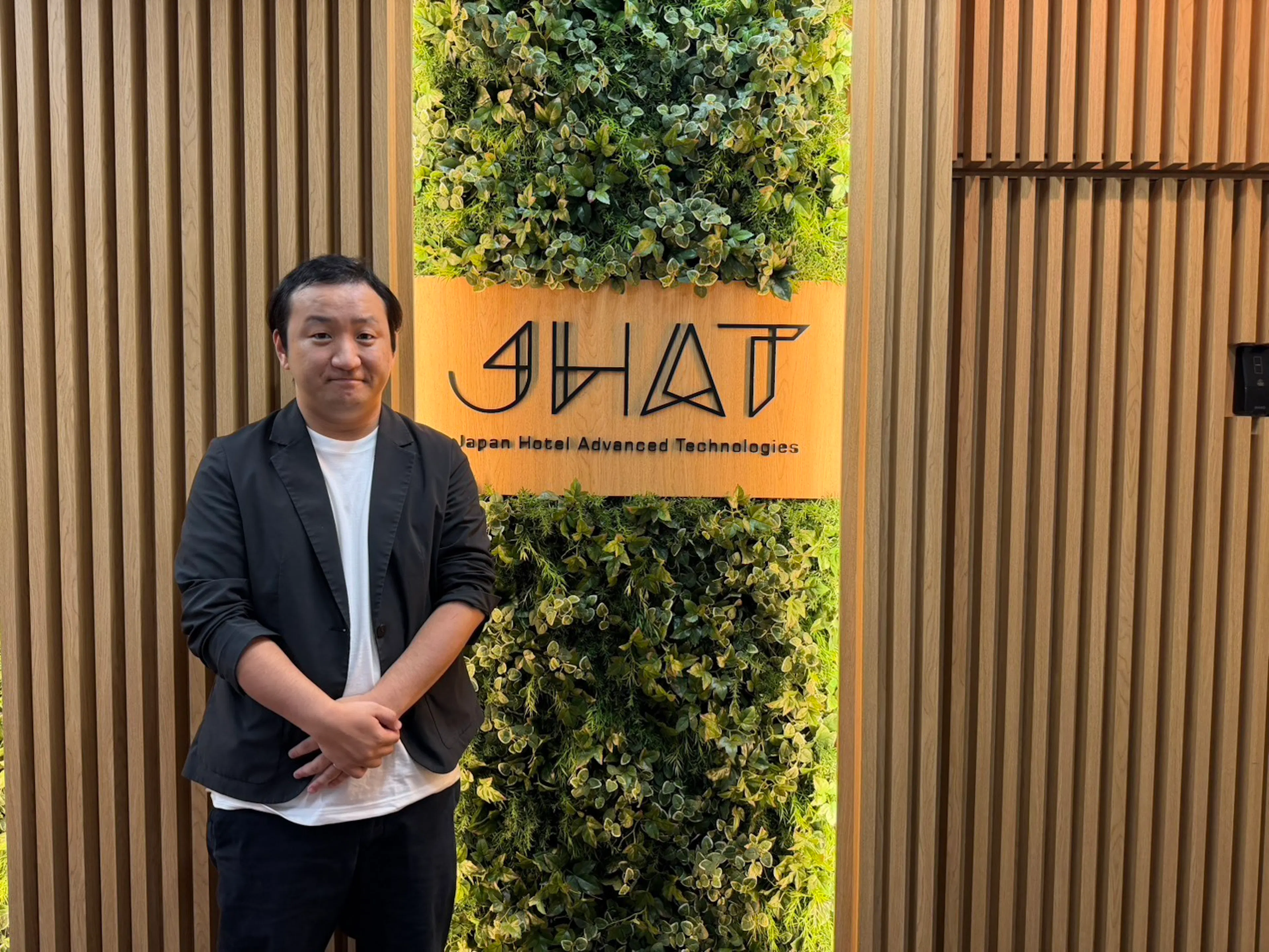
Thinking About Return on Investment
The direct effect is less time front-desk staff spend on phone calls and email. If directions and amenity checks are automated, staff can focus on the guest at the desk and on suggesting things to do nearby.
The indirect effects are resolving questions on screen at night or early in the morning, which prevents missed bookings on your official site, and first-line replies in foreign languages. When you evaluate a chatbot, compare the monthly system fee with the value of the time saved, and add the contribution to bookings as another yardstick.
FAQ
Can I use a chatbot for free?
Of the nine services we reviewed, three list a free plan in their price tables. Only two of them let you use a chatbot on the free plan, and usage is small, such as 10 conversations a month or 100 questions a month. Six more offer a free trial for a set period, and the three that state a length give 14 to 30 days. Free plans and trials suit a trial run at a property with few inquiries, or a test before choosing a paid plan.
How much is the setup fee?
Of the nine services with prices on their official sites as of October 2026, seven state a setup fee for the cheapest paid plan, and all seven charge ¥0. Three services charge ¥50,000 to ¥100,000 for higher plans.
Which is cheaper, an AI or a scenario-based chatbot?
Comparing each service's cheapest plan, scenario-based and similar plans that do not put AI answers up front cost ¥1,500 to ¥15,000 a month (three services). Plans where AI answers start at ¥4,000 to ¥80,000 a month even at each service's cheapest, with a median of ¥20,000 a month. Scenario-based costs tend to grow with branch complexity through creation and outsourcing fees, while AI types tend to keep revision work small. Which fits depends on how often a hotel's or ryokan's guest information changes.
Summary: Compare Chatbot Costs Including the Effort of Running Them
Do not judge the total cost of a chatbot by the monthly fee alone. Estimate how much staff time goes into scenario design, FAQ registration, and daily information updates.
For a hotel or ryokan that cannot assign a dedicated IT specialist, choosing on the low price shown on screen risks putting the operating burden on the front desk. A service that reads your site automatically, or one that needs little admin work, lets a small team keep running without strain. Match the pattern of your inquiries against the time you can spare for updates, and choose the plan from there.
Automate Inquiry Handling for Hotels and Ryokan With NEWT Chat
NEWT Chat is an AI chat service for the hospitality industry. The AI reads the information on your official website and answers guests' inquiries automatically.
The main features of NEWT Chat:
- Built for hospitality: an AI chat specialized for hotels, ryokan, tourist facilities and activities, DMOs and tourism associations, and restaurants. It comes pre-trained on industry knowledge and was developed by NEWT, which knows the industry well.
- Setup in as little as two minutes: all you need is the URL of the official website where you want the chat. The AI reads and learns from the site automatically, and installing it takes copying and pasting a snippet of code.
- Document import and Q&A creation: on the Casual plan and above, you can upload facility guides and price lists as PDFs or images for the AI to learn, so you do not have to register Q&As one by one. Registering and auto-generating Q&As is also supported.
- 40+ languages: when an overseas guest asks a question, the AI detects the language and replies in the same one. All-language support on the Hobby and Casual plans is available for a limited time.
- LINE integration: LINE integration is available on the Casual plan and above.
- Logs and conversation analysis: questions the AI could not answer stay in the log, so you can review them and add to the AI's knowledge. Conversation analysis shows which inquiries come up most often.
Pricing is a monthly fee based on the number of messages the AI generates. Plans scale with usage.
| Plan | Monthly fee | Messages per month | Notes |
|---|---|---|---|
| Hobby | Free | 200 | 1,000 in total |
| Casual | ¥5,800 | 500 | 5,000 in total |
| Premium | ¥17,800 | 3,000 | — |
| Suite | ¥34,800 | 10,000 | — |
| Suite+ | On inquiry | On inquiry | — |
Monthly fees exclude tax and are as of October 2026.
A support package that covers tag installation through initial setup is also available (¥300,000 lump sum, tax included, as of October 2026), which keeps the workload of getting started low.