周一至周五 10:00–18:00(日本时间)

指南
Four distinct seasons, four completely different journeys. Plan your trip with month-by-month climate data and expert seasonal insights.
Japan's archipelago stretches roughly 3,000 km from north to south, encompassing subtropical Okinawa in the south and subarctic Hokkaido in the north. Using Tokyo as a benchmark, the annual average temperature is approximately 15.8 °C with around 1,600 mm of rainfall per year. Spring (March to May) brings cherry blossoms and fresh greenery; summer (June to August) explodes with festivals and beach escapes; autumn (September to November) delivers fiery foliage and peak harvest cuisine; winter (December to February) offers steaming onsen baths and world-class powder snow. Even the same destination reveals an entirely different face depending on the season. In this guide, we break down Tokyo's month-by-month climate data alongside seasonal highlights and recommended NEWT Bespoke tours for each time of year.
季节
March – May
Spring in Japan is defined by cherry blossoms. Tokyo's sakura typically reach full bloom in late March to early April, drawing crowds to Ueno Park and the Meguro River promenade. From late April into early May, the spectacular Great Wisteria at Ashikaga Flower Park in Tochigi Prefecture cascades in curtains of purple and white. Daytime temperatures range from a pleasant 15–22 °C, making spring one of the most comfortable seasons to explore the country on foot.
亮点
Cherry blossom viewing (Tokyo, Kyoto, Nara), Ashikaga Flower Park wisteria, Takayama Spring Festival (April 14–15), pre-Golden Week low crowds
推荐行程
Golden Route Japan / Kyoto Deep Culture
June – August
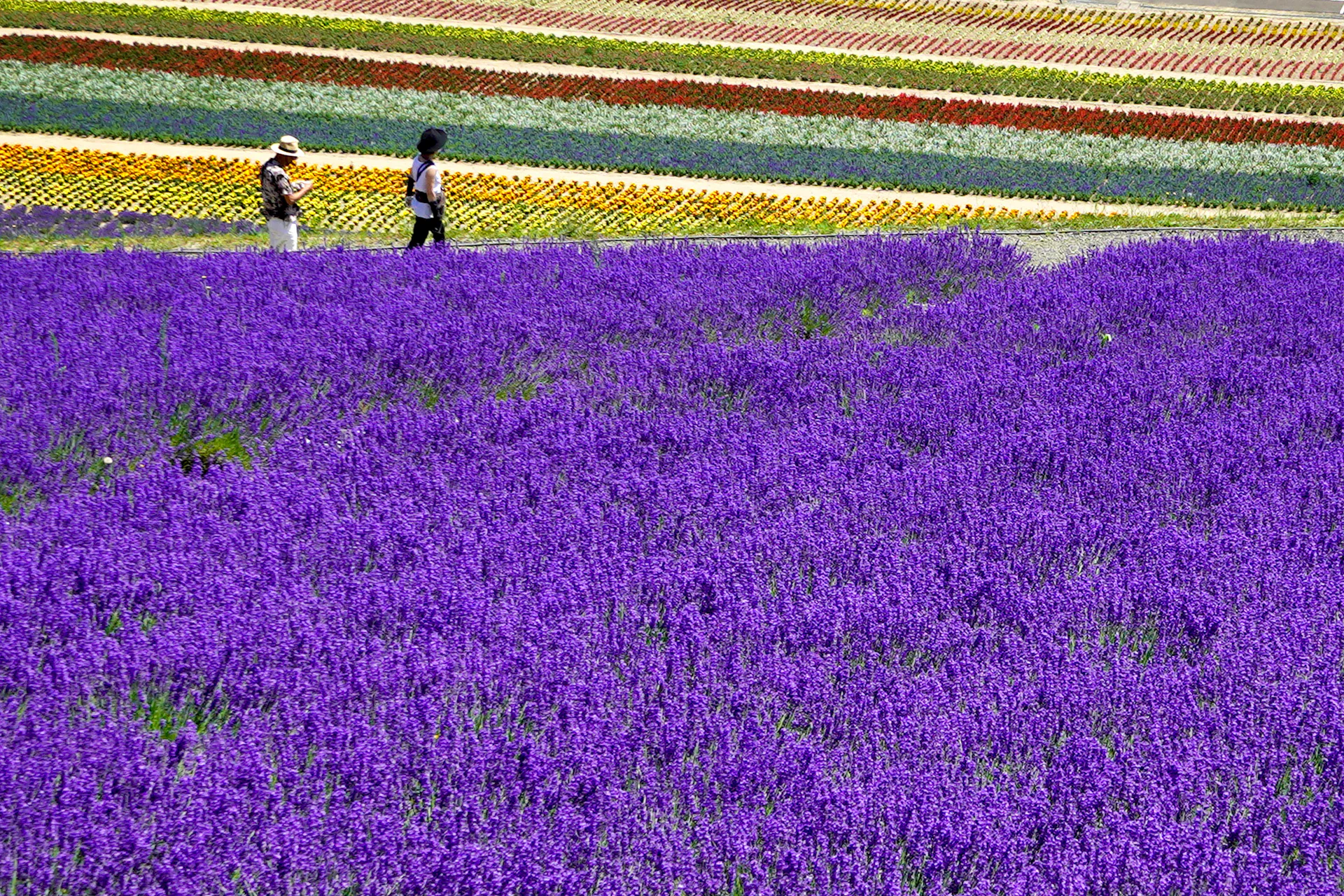
June ushers in the rainy season (tsuyu), with the wet period typically running from around June 7 to July 19 in the Tokyo region. Once the rains clear, Japan erupts into festival season. Kyoto's Gion Matsuri (July 1–31) is one of the country's three great festivals, joined by Osaka's Tenjin Matsuri (July 24–25) and Aomori's Nebuta Matsuri (August 2–7). For cooler escapes, Hokkaido's lavender fields around Furano peak in early to mid-July, while Okinawa's Kerama Islands offer some of the clearest waters in the Pacific.
亮点
Gion Matsuri, Tenjin Matsuri, Nebuta Matsuri, Sumida River Fireworks (last Saturday of July), Hokkaido lavender fields, Okinawa beaches
推荐行程
Niseko & Hokkaido Adventure / Okinawa Premium Island
September – November
Autumn is the season of foliage and food. The koyo colour wave begins at Daisetsuzan in Hokkaido (mid-September), sweeps through Nikko (mid- to late October), and reaches Kyoto (mid-November to early December). The Setouchi art islands — Naoshima, Teshima, and Inujima — are at their best under mild autumn skies. Culinary highlights include prized matsutake mushrooms, Pacific saury (sanma), freshly harvested new-crop rice, and Japanese chestnuts. Daytime temperatures sit between a comfortable 15–25 °C.
亮点
Autumn foliage (Nikko, Kyoto, Arashiyama), Setouchi Triennale (autumn session), Shichi-Go-San festival, seasonal delicacies (matsutake, new rice)
推荐行程
Kyoto Deep Culture / Setouchi Art Islands
December – February
Winter transforms Japan into a haven for onsen lovers and snow enthusiasts. The country boasts over 3,000 hot-spring areas, and soaking in an open-air rotenburo while snow falls around you is an iconic experience — Hakone, Arima, and Beppu are among the most celebrated. Niseko in Hokkaido receives roughly 15 metres of cumulative annual snowfall, earning its reputation as one of the world's premier powder destinations. Major cities come alive with large-scale illuminations at Tokyo Midtown and Kobe Luminarie, while December through January typically sees fewer international visitors, offering a quieter, more intimate side of Japan.
亮点
Onsen retreats (Hakone, Arima, Beppu), Niseko powder snow, winter illuminations, Sapporo Snow Festival (early February)
推荐行程
Onsen & Gastronomy Journey / Niseko & Hokkaido Adventure
气候
| Month | Temperature | Rainfall | Notes |
|---|---|---|---|
| January | 1–10 °C | ~60 mm | Dry, sunny winter days. Hatsumode (New Year shrine visits) season. Warm layers essential. |
| February | 2–11 °C | ~60 mm | Coldest month of the year. Plum blossoms begin to bloom. Sapporo Snow Festival held. |
| March | 5–14 °C | ~120 mm | Temperatures begin to climb. Tokyo cherry blossoms open in late March. |
| April | 10–19 °C | ~130 mm | Peak cherry blossom season. Ideal hanami weather. Pre-Golden Week crowds are low. |
| May | 15–24 °C | ~140 mm | Fresh greenery everywhere. Golden Week (April 29–May 5) is the domestic travel peak. |
| June | 19–27 °C | ~170 mm | Rainy season (tsuyu) begins. Humidity rises. Hydrangea at their peak in Kamakura and Hakone. |
| July | 23–31 °C | ~160 mm | Hot and humid after tsuyu clears. Gion Matsuri in Kyoto. Fireworks season begins. |
| August | 24–32 °C | ~150 mm | Hottest month. Obon holiday (Aug 13–16) brings domestic crowds. Nebuta and Awa Odori festivals. |
| September | 20–28 °C | ~220 mm | Typhoon season. Lingering heat early on; comfortable by late September. |
| October | 14–23 °C | ~200 mm | Clear autumn skies return. Nikko foliage peaks. One of the best travel months. |
| November | 8–17 °C | ~100 mm | Kyoto autumn foliage peaks (mid- to late November). Mornings and evenings turn cold. |
| December | 3–12 °C | ~60 mm | Illumination season. Year-end holidays are busy, but early December is a hidden gem. |
小贴士
Kyoto accommodation during cherry blossom season (late March to early April) and autumn foliage season (November) sells out six months in advance. Premium ryokan with private onsen are the first to go. NEWT Bespoke recommends beginning the planning process at least six months before your preferred travel dates to secure the best options.
Golden Week is Japan's longest holiday stretch, and domestic travellers flood every mode of transport and accommodation. Shinkansen reserved seats can sell out a full month in advance. If your dates are flexible, shifting just one week earlier or later makes a dramatic difference in availability and price.
Mid- to late May, October, and early December sit between the peak travel windows. Crowds thin out, hotel rates drop, and the weather remains excellent. These shoulder periods deliver the best balance of comfort, cost, and authentic local atmosphere — ideal for travellers who prefer a more relaxed pace.
Tokyo can exceed 35 °C in summer and dip near 0 °C in winter, so packing the right layers is critical. In spring and autumn, lightweight layers you can add or remove throughout the day are the key. Visiting temples and shrines often means removing your shoes, so slip-on footwear is highly practical. A compact umbrella is essential during the June rainy season.
Hokkaido winters plunge to -10 °C and below, while Okinawa stays a mild 15–20 °C in the same months. Even Tokyo and Kyoto see cherry blossom dates about one week apart. If your itinerary spans multiple regions, each stop may demand different clothing and gear. Your NEWT Bespoke concierge will map the optimal route to match conditions across every destination.
A dedicated NEWT Bespoke concierge will design a fully custom itinerary tailored to your preferred dates, interests, and travel style. Consultation and itinerary planning are completely free of charge.
Book a Free Consultation